
Watch Bengali films and series - Allmovieland
Allmovieland: Bengali films and series in English, from Pather Panchali, The World of Apu and Charulata to Goopy Gyne Bagha Byne, The Golden Fortress, Bachelor Point and Eken Babu, and where to watch them
317 Bengali films and series from West Bengal and Bangladesh: Satyajit Ray, comedies, romances, family dramas, adventures and detectives.
Pather PanchaliGoopy Gyne Bagha ByneThe Golden FortressEken Babu
Satyajit Ray
see all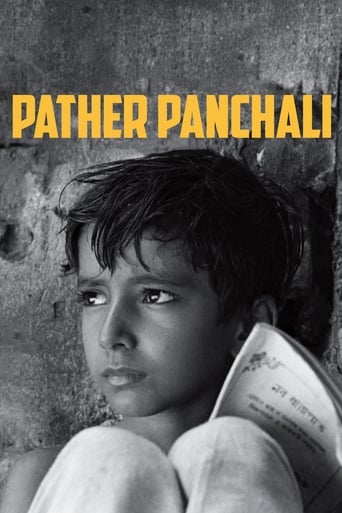 HD7.8
HD7.8 TV5.0
TV5.0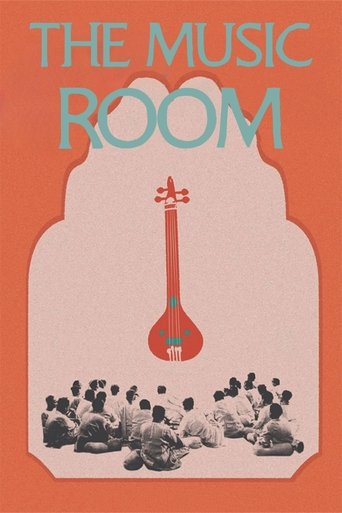 HD7.5
HD7.5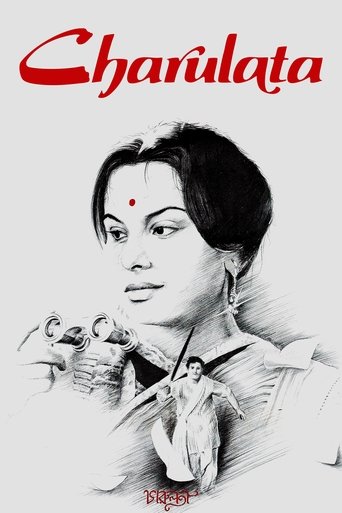 HD7.5
HD7.5 HD8.1
HD8.1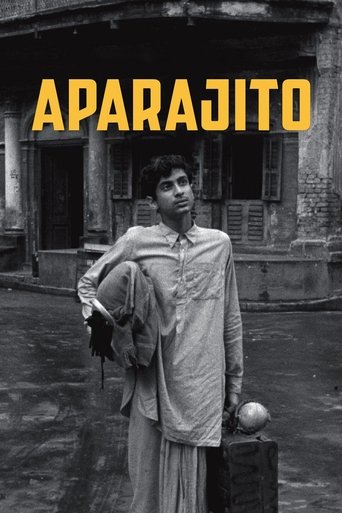 HD7.8
HD7.8 TV2.0
TV2.0 HD7.5
HD7.5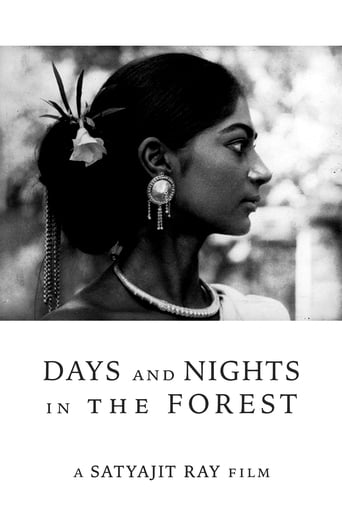 HD7.0
HD7.0 HD7.6
HD7.6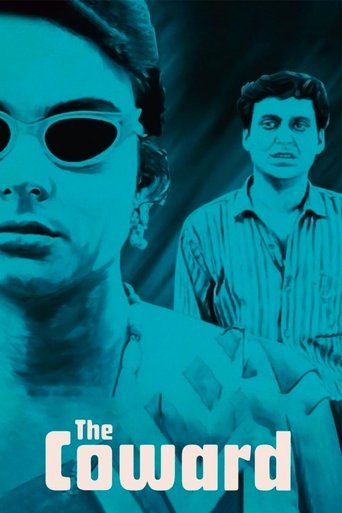 HD7.2
HD7.2 HD7.2
HD7.2Bangladesh
see all TV10.0
 HD8.5
HD8.5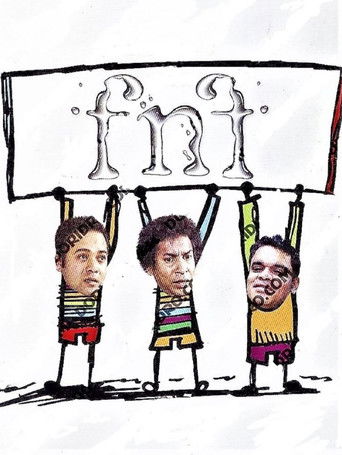 TV9.0
TV9.0 TV10.0
 HD7.7
HD7.7 TV6.0
TV6.0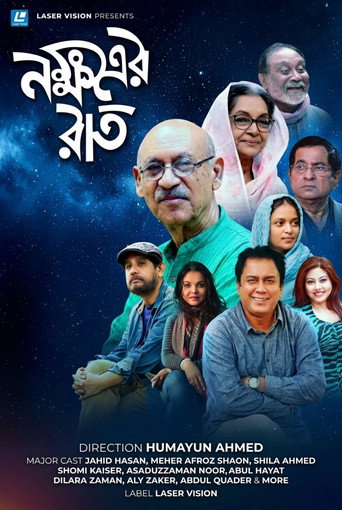 TV10.0
 TV9.0
TV9.0 HD3.7
HD3.7 TV6.0
TV6.0 HD5.5
HD5.5 HD7.0
HD7.0Adventures and detectives
see all TV5.8
TV5.8 HD6.7
HD6.7 HD10.0
 HD7.6
HD7.6 HD8.5
HD8.5 HD7.5
HD7.5 HD4.5
HD4.5 HD10.0
 HD7.8
HD7.8Series
see all TV7.0
TV7.0 TV3.0
TV3.0 TV4.7
TV4.7 TV2.0
TV2.0 TV6.0
TV6.0Comedy
see all TV6.0
TV6.0 HD6.0
HD6.0 HD8.5
HD8.52020 onward
see all HD2.7
HD2.7 HD5.5
HD5.5 HD4.2
HD4.2 HD10.0
 HD8.7
HD8.7 HD10.0
 HD5.0
HD5.0 HD8.2
HD8.2Browse
- Series 16
- Films 301
- Satyajit Ray 30
- Bangladesh 81
- Comedy 76
- Romance 84
- Family dramas 157
- Adventures and detectives 30
- Before 1980 70
- 1980 to 1999 37
- The 2000s 54
- The 2010s 111
- 2020 onward 45
- Top rated 24
Help pages
Bengali cinema in English: the Allmovieland guide
Allmovieland: Bengali films and series in English, from Pather Panchali, The World of Apu and Charulata to Goopy Gyne Bagha Byne, The Golden Fortress, Bachelor Point and Eken Babu
Bengali cinema, made in the studios of Kolkata and Dhaka, has one of the proudest histories in world film. It gave the world Satyajit Ray, whose Apu trilogy is studied in film schools everywhere, and it gave Bengali families a treasury of comedies, romances, detective stories and musical fairy tales that they have loved for generations. Today, the film industries of West Bengal and Bangladesh are busier than ever, with new films, web series and sitcoms that are watched by Bengali speakers all over the world. Allmovieland gathers 317 Bengali films and series, made between 1953 and 2026, 301 films and 16 series, each with its own page, its story in English, its year, running time or episode list, and a Watch now button that leads to the official services carrying it in your country.
The catalogue has been chosen by hand. It brings together the films of Satyajit Ray, the classics of the golden age, comedies, romances, family dramas, the adventures of Feluda, Kakababu and Professor Shanku, and the films and series of Bangladesh, and it leaves the crime and murder stories to other guides, so that every title is a pleasure to share. The home page is arranged in rows, like the site it is named after, so that a new viewer and a lifelong fan can each find something to watch in a few seconds.
The pages below are a leisurely tour of Bengali cinema: Satyajit Ray and the golden age, the detectives and adventurers, the comedies and romances, the films of Bangladesh, the great directors and stars, and a few suggestions for every age. Each section links to a short help page, and the How to watch page sums up the four simple steps from a title page to the official service.
How Allmovieland looks
Allmovieland keeps the sleek, dark look of the site it is named after. The page is a deep charcoal, and a translucent column runs down the left side on larger screens, holding the links to the home page, the films, the Satyajit Ray and Bangladesh shelves, the series and the A to Z list, with three toggles below for genres, countries and years. The header holds a menu button, the violet and magenta camera logo with the Allmovieland wordmark, a long rounded search bar and a My List pill. On a phone, the left column folds into a menu behind a three-line button.
The home page opens with a bright violet button, a large title and a short introduction beside a wide picture from a featured film. Below, each shelf has its own row of rounded posters, each with a small quality chip, a yellow rating chip, the title and the year, under a large section title with a see all pill. The footer is a rounded panel with the copyright line and the main links.
The colours, the left column, the rounded panels and the chips were measured from an archived copy of the original home page, so the site feels familiar to anyone who knew it.
Using the site
There are three easy ways into the catalogue. The first is the search bar in the header: type a few letters of an English or Bengali title, such as Apu, Feluda or Goopy, and matching titles appear as you type. The second is the shelves: Satyajit Ray, Bangladesh, Comedy, Romance, Family dramas, Adventures and detectives and Series, together with five decade shelves and a Top rated shelf. The third is the A to Z list, which holds every title in alphabetical order. The Finding a title page collects some handy search tips, including the Bengali names of many classics.
Every title page gives the story in English, the year, the running time or the number of episodes, the director, the main cast, the studio and the original title. Below the story there is a country menu and a Watch now button. Choose your country, press the button, and JustWatch opens with the subscription, rental, purchase and free services that carry the title where you live. Bengali films and series are carried by Indian and Bangladeshi streaming services and by international services, often with English subtitles, and many restored classics are available around the world.
The My List pill keeps a personal list of titles in your browser. The My List page explains how to export the list to a small file and take it to another device.
Satyajit Ray
Satyajit Ray is the most celebrated film-maker of India, and the Satyajit Ray shelf holds 30 titles, his own films and the stories he created. The Satyajit Ray help page picks the best places to begin.
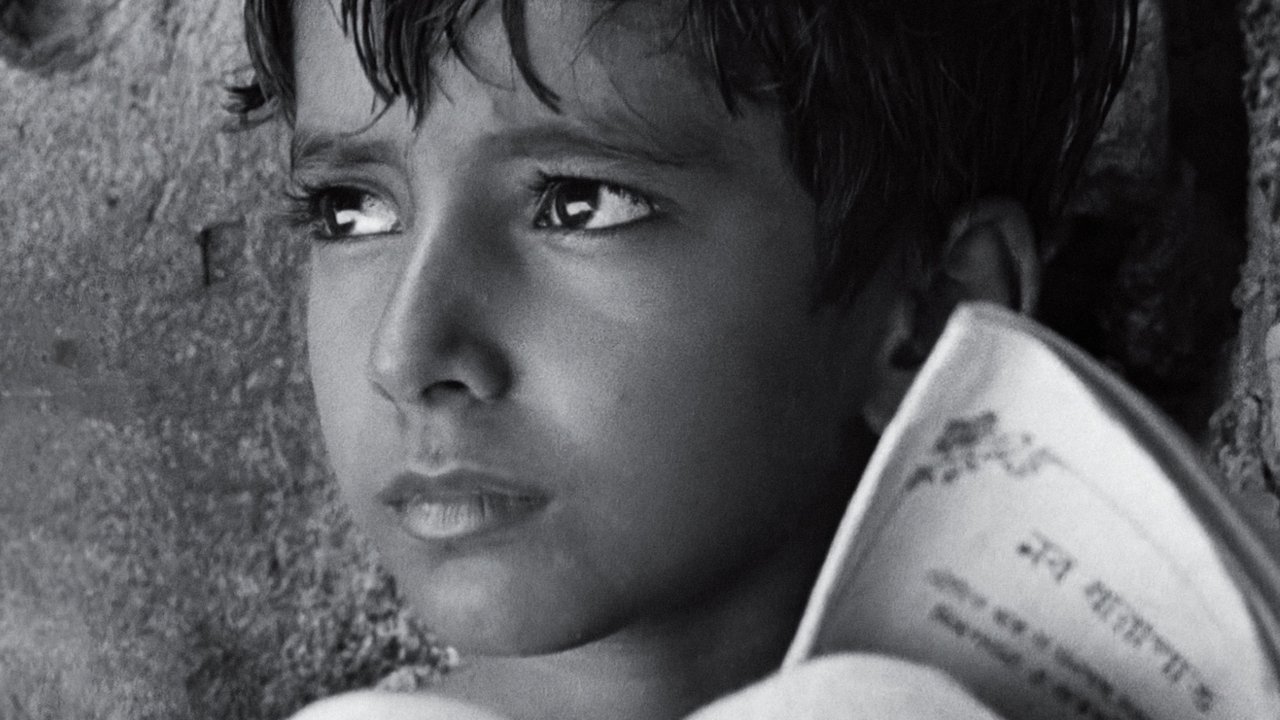
Ray began as a designer and illustrator in Calcutta, and in 1955 he released his first film, Pather Panchali, made with a small crew, non-professional actors and very little money. It follows a poor priest's family in a Bengal village, seen through the eyes of a little boy, Apu, and his older sister Durga, and its scenes of the children running through fields of white flowers to see a train pass have become some of the most famous images in cinema. The film won a prize at the Cannes festival and made Ray famous around the world.
Over the next four decades, Ray made films of every kind. The Music Room is a haunting portrait of an old landlord who spends his fortune on music. Charulata, from 1964, based on a story by Rabindranath Tagore, follows a lonely, gifted young wife in a grand Calcutta house, and Ray considered it his finest film. The Big City follows a young wife who takes a job as a door-to-door saleswoman, The Hero follows a famous film star on a long train journey, and Days and Nights in the Forest follows four friends from Calcutta on a holiday in the forests of Bihar. Kanchenjungha, his first colour film, takes place in a single afternoon in the hill town of Darjeeling.
The Apu trilogy
The three films about Apu are the heart of Ray's work, and the Apu trilogy help page suggests how to watch them. Pather Panchali follows Apu's childhood in the village of Nischindipur, with his gentle, struggling mother, his dreamy father, his lively sister Durga and an ancient aunt who steals fruit from the neighbours' trees. Aparajito, from 1956, follows the family to the holy city of Benares and then Apu's journey to school and college in Calcutta, and the growing distance between the bright young student and his mother.
The World of Apu, from 1959, follows Apu as a young man who dreams of becoming a writer. A visit to a friend's village leads to an unexpected marriage with a young woman played by Sharmila Tagore in her first role, and the film becomes one of the most tender love stories in cinema before it turns to grief and, finally, to hope. The trilogy, with its music by Ravi Shankar, is one of the great achievements of world cinema, and it is a beautiful way to spend three evenings.
Goopy and Bagha
Ray also made films for children, and the most beloved of all are the adventures of Goopy and Bagha, introduced on the Goopy and Bagha help page. Goopy Gyne Bagha Byne, from 1969, is based on a story by Ray's grandfather, Upendrakishore Ray Chowdhury. Goopy is a village boy who loves to sing, very badly, and Bagha is a drummer with the same problem, and both are thrown out of their villages for their noise. In a forest at night they meet the King of the Ghosts, who grants them three boons: they can have any food and clothes they want by clapping their hands, they can travel anywhere in magic slippers, and their music can freeze anyone who hears it.
With these gifts, they set out to stop a war between two kingdoms, and the film's songs, its famous dance of the ghosts and its gentle humour have delighted Bengali children for more than half a century. The Kingdom of Diamonds, from 1980, sends the two friends to the land of a tyrant who brainwashes his subjects with a machine, and Goopy Bagha Feere Elo, from 1992, directed by Ray's son Sandip Ray, brings them back for a third adventure.
Feluda, Kakababu and Professor Shanku
Bengal has its own beloved detectives and adventurers, and the Feluda, Kakababu and Professor Shanku help page introduces them. Feluda, created by Satyajit Ray in a series of novels for young readers, is a sharp, calm private investigator who travels with his young cousin Topshe and the comic crime writer Jatayu. In The Golden Fortress, from 1974, the trio follow a little boy who says he remembers a past life in a golden fortress, and their journey across the desert of Rajasthan to the fort of Jaisalmer is one of the great adventures of Bengali cinema.
Feluda returns in the series Feludar Goyendagiri and Shabash Feluda, and Ray's brilliant inventor Professor Shanku travels to the Amazon in Professor Shanku O El Dorado. Kakababu, the adventurer with a crutch created by Sunil Gangopadhyay, travels to Nairobi in Kakababur Protyaborton, and the treasure-hunt films Durgeshgorer Guptodhon and Jawker Dhan follow a professor and his young friends on the trail of hidden fortunes. Hirer Angti, directed by Rituparno Ghosh, is a gentle mystery for children set during the Durga Puja holidays.
Tagore and the great writers
Many Bengali films come from the great writers of Bengal, and the Tagore on screen help page gathers those based on Rabindranath Tagore. Kabuliwala, from 1957, directed by Tapan Sinha, is the tender story of Rahmat, a fruit seller from Afghanistan, and his friendship with a little girl called Mini in Calcutta. Charulata and The Home and the World are Ray's adaptations of Tagore, and Noukadubi, by Rituparno Ghosh, is a romantic drama of mistaken identity after a boat accident.
The novels of Sarat Chandra Chattopadhyay are just as popular on screen, and Devdas, the Bangladeshi version of his famous tragic romance, is on the Bangladesh shelf. The Philosopher's Stone, from 1958, Ray's comedy about a bank clerk who finds a stone that turns iron into gold, comes from a story by Parashuram, one of Bengal's great humorists.
The golden age
The fifties and sixties were the golden age of Bengali popular cinema, and the Before 1980 shelf holds 70 titles. The great star pair of the era was Uttam Kumar and Suchitra Sen, whose romances filled cinemas across Bengal. Sharey Chuattar, from 1953, is the comedy that first brought them together, set in a boarding house for young men that is thrown into turmoil when a family arrives, and Bipasha, from 1962, is one of their famous romances. Personal Assistant, from 1959, is a lively comedy about a young man who becomes the assistant of a company run entirely by women, starring the great comedian Bhanu Bandopadhyay.
The serious cinema of these years was just as remarkable. Ritwik Ghatak's The Cloud-Capped Star, from 1960, follows a selfless young woman who supports her whole refugee family in Calcutta, and his The Golden Thread follows an upright man and his sister after the partition of Bengal. Tapan Sinha's Kabuliwala and Mrinal Sen's films are landmarks of the period, and the Bangladeshi classics Jibon Theke Neya and 13 Number Feku Ostagar Lane show the early years of cinema in Dhaka.
Bangladesh
Bangladesh has a lively film and television industry of its own, and the Bangladesh shelf holds 81 titles. The Bangladesh help page picks the highlights.
Keyamat Theke Keyamat, from 1993, a romance of two young people from feuding families, made Salman Shah one of the most loved stars in Bangladeshi cinema. The novelist and director Humayun Ahmed, whose stories are adored across Bangladesh, made the gentle drama Dui Duari and the television classic Nokkhotrer Raat, and the family sitcom Aaj Robibar follows an eccentric household of a grandfather, his sons and his granddaughters. Wrong Number is a cheerful comedy of mixed-up telephone calls, and On the Wings of Dreams follows a poor villager who finds a bundle of foreign banknotes.
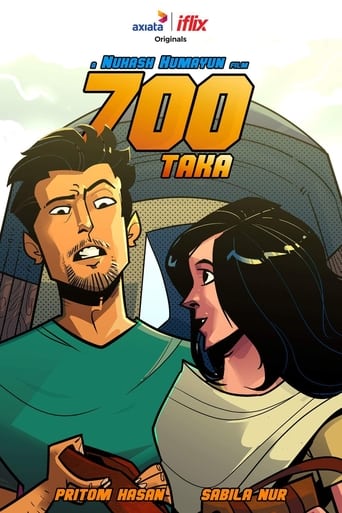
The newest Bangladeshi films and series are full of energy. Bachelor Point, one of the most popular comedy series of recent years, follows four young men from different districts who share a flat in Dhaka, and 700 Taka is a short, sparkling comedy about a hopelessly broke young man on a very special date. Shilpi follows two rival singers, Rockstar follows a shy young musician who becomes a world star, Osomoy follows a student between two social worlds, and Porobashinee is a science fiction film about Bangladeshi scientists who discover a new planet.
Bengali comedy
Comedy runs through Bengali cinema, and the Comedy shelf holds 76 titles. The Bengali comedy help page gives a short list. The classics come first: Sharey Chuattar and Personal Assistant are among the most loved comedies of the fifties, and Ray's The Philosopher's Stone is a witty fable about sudden wealth.
The modern comedies are just as cheerful. Bonku Babu follows a strict family patriarch who changes his ways after an accident, Bibaho Diaries is a romantic comedy about a young couple preparing for marriage, and Manojder Adbhut Bari follows a boy in a wonderfully eccentric joint family, with the great Soumitra Chatterjee as his grandfather. Haripada Bandwala is a lively comedy about a village bandsman. The series Eken Babu follows a food-loving detective whose gentle humour hides a very sharp mind, and Hostel Days follows a group of college friends through their hostel years.
Bengali romance
Bengali cinema loves a love story, and the Romance shelf holds 84 titles. The Bengali romance help page gives a short list. Charulata is the most delicate of all Bengali romances, a story of unspoken feelings in a nineteenth-century Calcutta house, and The Coward, also by Ray, follows a screenwriter who meets the woman he once loved by chance in a country town.
The modern romances are full of music. Arshinagar, directed by Aparna Sen, is a musical retelling of Romeo and Juliet set in a Kolkata neighbourhood, Kishmish follows a young graphic novelist who meets his love at a college in the hills, and Unish20 is a cheerful Bangladeshi romance of two people who are complete opposites. Prem Tame is a sweet story of first love, and Maach Mishti & More follows three generations of a family in Kolkata, each with its own idea of love.
Family dramas
Families are at the heart of Bengali storytelling, and the Family dramas shelf holds 157 titles. Kanchenjungha gathers a wealthy family on holiday in Darjeeling for a single afternoon of decisions, Three Daughters tells three of Tagore's stories about young women, and The Big City follows a family adjusting to a mother's new job. Palanka, from 1975, is a moving story of an old man and a great wooden bed, set after the partition of Bengal, with a famous performance by Utpal Dutt.
The newer family films are warm and often funny. Maach Mishti & More, Manojder Adbhut Bari and Bonku Babu look at big families with great affection, and Dakghor, a series, follows a new postmaster in a remote village who becomes part of the life of its people. These films are lovely to watch with your own family, who will recognise many of the characters.
Bengali series
Bengali web series and sitcoms have grown into a lively world of their own, and the Series shelf holds 16 of them. The Bengali series help page picks a few.
From Bangladesh, Bachelor Point has five seasons of comedy about four young men sharing a flat, Aaj Robibar is a classic family sitcom of the nineties, and Nokkhotrer Raat is a much-loved drama by Humayun Ahmed. FnF, also known as Friends and Family, is a cheerful Bangladeshi drama series, and Mobaroknama follows a retired lawyer who returns to work. From Kolkata, Eken Babu has nine seasons of detective comedy, Feludar Goyendagiri and Shabash Feluda follow Feluda, and Hostel Days and Dakghor are warm stories of friendship and village life.
Through the decades
The decade shelves follow the story of Bengali cinema. The Before 1980 shelf holds 70 titles, from Sharey Chuattar and the Apu trilogy to Goopy Gyne Bagha Byne and The Golden Fortress. The 1980 to 1999 shelf holds 37 titles, the years of The Kingdom of Diamonds, The Home and the World, Keyamat Theke Keyamat and the last films of Satyajit Ray. The 2000s, with 55 titles, brought new directors such as Rituparno Ghosh and Anjan Dutt, and the 2010s, with 112 titles, are the largest shelf of all. The 2020 onward shelf, with 45 titles, gathers the newest films and series from Kolkata and Dhaka. The Through the decades page links every shelf.
Picks by age
Bengali cinema has wonderful films for every age. The A family film night help page gives a short list, and here is a longer one. For children, the adventures come first: Goopy Gyne Bagha Byne, The Kingdom of Diamonds, The Golden Fortress, Dipu Number Two, Hirer Angti and the treasure-hunt films are full of fun and mystery.
For the whole family, Kabuliwala, Personal Assistant, Manojder Adbhut Bari and The Philosopher's Stone are warm and funny. For grown-ups, the great dramas of Satyajit Ray, from Pather Panchali and Charulata to Days and Nights in the Forest and The Hero, are rich and moving, and the newer romances and comedies of Kolkata and Dhaka are perfect for an evening with friends.
Great directors
Bengali cinema has given the world many great directors, and following them is a rewarding way to explore the catalogue. Satyajit Ray comes first, with 30 titles on his shelf. Ritwik Ghatak, his great contemporary, made passionate films about the partition of Bengal and its refugees, such as The Cloud-Capped Star and The Golden Thread. Mrinal Sen made sharp, modern films about Calcutta, such as Ek Din Pratidin, about a family waiting anxiously for a working daughter who is late home. Tapan Sinha made Kabuliwala and The Garden of Bancharam, a fable about an old peasant who outwits a greedy landlord.
In the following generations, Rituparno Ghosh made elegant dramas such as Noukadubi and the children's mystery Hirer Angti, Aparna Sen made Arshinagar, and Sandip Ray continued his father's work with Goopy Bagha Feere Elo and the later Feluda films. In Bangladesh, Humayun Ahmed, Morshedul Islam, the director of Dipu Number Two, and the new generation of Kajal Arefin Ome, who made Bachelor Point and Osomoy, and Nuhash Humayun, who made 700 Taka, show the range of Bangladeshi cinema.
Stars of Bengal
Some faces appear across the whole catalogue. Soumitra Chatterjee, Ray's favourite actor, plays the grown-up Apu in The World of Apu, Amal in Charulata, Feluda in The Golden Fortress and the grandfather in Manojder Adbhut Bari, a career spanning sixty years. Sharmila Tagore began her career in The World of Apu and appears in Devi, The Hero and Days and Nights in the Forest. Uttam Kumar, the great matinee idol of Bengal, appears in Sharey Chuattar, Bipasha and The Hero, in which Ray cast him as a film star very much like himself.
Among the newer stars, Dev appears in Kishmish, Arshinagar and several cheerful romances, Abir Chatterjee leads the treasure-hunt films Durgeshgorer Guptodhon and Manojder Adbhut Bari, and Mosharraf Karim, one of the most loved actors of Bangladesh, appears in FnF and Mobaroknama. Following a star from film to film is one of the special pleasures of a catalogue that spans seventy years.
Music and song
Music is everywhere in Bengali films. Ravi Shankar wrote the music for the Apu trilogy, and Ray himself composed the music for many of his later films, including the songs of Goopy Gyne Bagha Byne, which every Bengali child knows. The Music Room is built around the classical music performances in an old landlord's palace, with some of the finest musicians of India, and Arshinagar is a full musical. The songs of Rabindranath Tagore, known as Rabindrasangeet, are heard in many films, from Charulata to the newest romances.
The films of Bangladesh have their own rich musical tradition, from the folk songs of the villages to the pop and rock of Dhaka. Shilpi and Rockstar are films about singers, and many Bangladeshi romances are remembered above all for their songs.
Through the year
Bengali life follows a calendar of festivals, and so do many films. Durga Puja, the great autumn festival of West Bengal, is the biggest season for new releases, and Hirer Angti is set during the Puja holidays. Pohela Boishakh, the Bengali New Year in April, is celebrated in both Bengals with music, fairs and new clothes, and Eid is the biggest film season in Bangladesh, when the great stars release their new films.
Many families follow the same rhythm at home: a Feluda adventure or a Goopy and Bagha film for the Puja holidays, a cheerful comedy for the New Year, and one of the great Ray dramas for a quiet winter evening. The decade shelves and the Satyajit Ray shelf make it easy to plan a whole season of viewing.
Kolkata on screen
Kolkata, the city once called Calcutta, is one of the great film cities of the world, and it appears in film after film on Allmovieland. Ray's Calcutta films show the grand houses of the old families in Charulata, the offices and streets of the sixties in The Big City, and the hopes and struggles of young graduates in The Adversary, Company Limited and The Middleman. Mrinal Sen's Ek Din Pratidin takes place in a crowded house in an old neighbourhood, and Ghatak's The Cloud-Capped Star in the refugee colonies on the edge of the city.
The newer films show a modern city of cafés, colleges, flats and festivals: Maach Mishti & More, Bibaho Diaries and Hostel Days are full of the humour and warmth of Kolkata's families and friends. Watching the films of different decades side by side is a lovely way to see how the city has changed, and how much has stayed the same: the trams, the tea stalls, the Durga Puja pandals and the long evening conversations.
Dhaka and the villages of Bangladesh
The films of Bangladesh move between the busy capital, Dhaka, and the rivers, fields and villages of the countryside. Bachelor Point and Osomoy take place among the students and young professionals of Dhaka, while On the Wings of Dreams and Dipu Number Two travel through small towns and villages. Kajolrekha, from 2024, retells a four-hundred-year-old folk tale from the region of Mymensingh, full of songs and village traditions.
Films for children
Bengali cinema has made some of the finest children's films in India. Goopy Gyne Bagha Byne and The Kingdom of Diamonds are musical fairy tales, The Golden Fortress is a desert adventure with a boy at its heart, and Hirer Angti is a gentle mystery for the Puja holidays. Dipu Number Two, from Bangladesh, follows a schoolboy who sets off on a daring adventure with his friends, and Durgeshgorer Guptodhon and Jawker Dhan are adventures full of puzzles and hidden fortunes.
Many of these films come from children's books that Bengali families read together, from the Feluda novels and the Professor Shanku diaries to the stories of Upendrakishore Ray Chowdhury. Reading a story aloud before watching the film is a lovely family tradition.
Learning Bengali with films
Bengali is spoken by more than two hundred million people in Bangladesh and India, and films are a lovely way to begin learning it. The Learning Bengali with films help page gives a few tips. The songs of Goopy Gyne Bagha Byne are simple and catchy, and the comedies of the fifties, such as Personal Assistant, use clear, everyday speech. The films of Kolkata and Dhaka let you hear the different accents and expressions of West Bengal and Bangladesh. Watch a film with English subtitles first, then again with Bengali subtitles, and listen for the words that come back again and again.
How Watch now works
Every title page on Allmovieland has a country menu and a Watch now button. Choose your country, press the button, and JustWatch opens in a new tab with the services that carry the title where you live: subscription services, rental and purchase stores, and free services with advertising. Bengali films and series are carried by the Indian and Bangladeshi streaming services and by international services, and many of Ray's restored classics are available around the world with English subtitles.
Allmovieland keeps fifteen countries in the menu, from India and Bangladesh to the United States, the United Kingdom, Canada, Australia, the United Arab Emirates, Saudi Arabia, Singapore, Malaysia, Italy, Germany, France, Sweden and Japan, and your choice is remembered in your browser for the next title. The How to watch page explains every step.
Women at the centre
Bengali cinema has given the world some of its most memorable heroines. Ray's films are full of them: Charulata, the lonely, gifted wife of Charulata; Arati, the young saleswoman who discovers her independence in The Big City; Bimala, torn between two men and two ideas of her country in The Home and the World; and Doyamoyee, the young wife whose father-in-law believes she is a goddess in Devi. Three Daughters tells three stories of young women, from a little postmistress's helper to a spirited tomboy.
Ghatak's The Cloud-Capped Star gives Supriya Choudhury one of the great roles of Indian cinema as a young woman who sacrifices everything for her family, and Letter from the Wife, from 1972, based on Tagore, follows a young wife who stands up against her husband's family to protect a girl in need. Among the newer films, Osomoy and Little Miss Chaos follow young women finding their way in Dhaka today. These films are a wonderful way to see how Bengali storytellers have written about women across seventy years.
Hidden gems
Beyond the famous titles, the catalogue holds many smaller treasures. The Philosopher's Stone is one of Ray's most charming comedies, The Garden of Bancharam is a delightful fable by Tapan Sinha, and Palanka is a gentle, moving story of an old man and his great wooden bed. 13 Number Feku Ostagar Lane is an early Bangladeshi comedy about the quarrels between a landlord and his lodgers, and Kajolrekha is a colourful musical folk tale.
A few more: Chalo Let's Go..., by Anjan Dutt, follows four friends on a road trip through the hills of North Bengal, X=Prem is a romantic story by Srijit Mukherji, and Porobashinee is a rare Bangladeshi science fiction film. The Hungry Stones, from 1960, based on a Tagore story, is a haunting tale of an old palace and its memories.
Two Bengals, one language
Bengal was divided in 1947, and the films of West Bengal and Bangladesh are two branches of one tree, sharing a language, a literature and a love of music and storytelling. Many films on Allmovieland reflect that shared history: Palanka is set just after the partition, and Ghatak's films follow families who crossed the new border. Today, the films and series of Kolkata and Dhaka are watched on both sides, and actors and directors often work in both industries.
For Bengali families living abroad, in London, New York, Toronto, Sydney or the Gulf, these films are a way to share the language and the stories of home with their children. For everyone else, they are a joyful introduction to one of the world's great film cultures.
Ray's last films
In the last years of his life, Satyajit Ray made three quiet, wise films that are a moving farewell. An Enemy of the People, from 1990, adapted from Ibsen, follows a doctor in a small Bengal town who discovers that the water of a famous temple is contaminated and must persuade the town to listen to him. The Branches of the Tree, from the same year, follows an old businessman and his four sons, each of whom has taken a different path in life. The Stranger, from 1991, his final film, follows a family in Calcutta who receive a surprise visit from a long-lost uncle, and wonder whether he is who he says he is.
These films are gentle and full of conversation, with the warmth and the moral seriousness of a great artist at the end of a long career. They make a fine pair with the early films of the Apu trilogy, showing how Ray's world grew over forty years.
Humayun Ahmed
Humayun Ahmed was one of the most beloved writers in the history of Bangladesh, a novelist whose books sold millions of copies and whose television dramas brought families together every week. His characters, gentle eccentrics, wise old men and dreamy young people, are known to every Bangladeshi, and his stories are full of humour, kindness and a touch of magic. On Allmovieland, his work appears in the television drama Nokkhotrer Raat and the film Dui Duari, in which a mysterious stranger quietly changes the life of a middle-class family.
His son Nuhash Humayun has become a director in his own right, and his short comedy 700 Taka shows the same affection for ordinary people, with a modern, playful style. Watching father and son side by side is a lovely way to see how Bangladeshi storytelling has grown.
Food on screen
Food is a serious matter in Bengal, where fish, rice and sweets are part of every celebration, and it appears in film after film. The title of Maach Mishti & More means fish, sweets and more, the three things every Bengali family loves, and the film follows three generations of a family around a crowded dinner table. In Goopy Gyne Bagha Byne, the hungry heroes clap their hands to summon a feast of Bengali delicacies, one of the most famous scenes in children's cinema. Eken Babu, the detective of Eken Babu, loves good food almost as much as a good mystery.
These films are a delicious choice for a family evening, especially with a plate of sweets on the table, and they show how much the joy of food is part of the Bengali way of life.
Planning a film week
A Bengali film week is a lovely way to share these films with friends and family. Choose a theme, save a few titles in My List and watch one each evening. A Satyajit Ray week might move through the Apu trilogy, Charulata and Goopy Gyne Bagha Byne. An adventure week might start with The Golden Fortress and continue with Professor Shanku O El Dorado, Kakababur Protyaborton and Durgeshgorer Guptodhon. A Dhaka week might pair Keyamat Theke Keyamat with 700 Taka and a few episodes of Bachelor Point.
For the Puja holidays, many families choose a classic and a new film each day, so that grandparents and children each get a favourite. The decade shelves and the Satyajit Ray shelf make it easy to plan, and My List keeps the plan ready on every device.
Some families make it a game: each person picks a film from a different decade, and after the week everyone votes for a favourite. Others follow a single star, such as Soumitra Chatterjee, from his first role as the grown-up Apu to his last as a kindly grandfather. However you choose, Bengali cinema rewards curiosity, and every shelf holds a new surprise.
Ray the writer and artist
Satyajit Ray was much more than a film-maker. He designed book covers and posters, created typefaces, wrote and illustrated stories for children, and edited the children's magazine Sandesh, founded by his grandfather. His Feluda novels and Professor Shanku diaries are read by every Bengali child, and many of the films on Allmovieland grew from those books, from The Golden Fortress to Professor Shanku O El Dorado and the Feluda series. He composed the music for most of his later films, wrote his own screenplays and often operated the camera himself.
This many-sided talent shows in every frame of his films: the careful design of each room, the music that seems to grow out of the story, and the warmth and humour of his characters. Watching his films after reading one of his stories is a wonderful way to meet the whole artist.
Friendship and journeys
Many Bengali films are about friends who travel together and discover something about themselves. In Days and Nights in the Forest, four young men from Calcutta leave the city for a holiday in the forests of Bihar, and their days of games, picnics and meetings with the local people change each of them in a different way. In Chalo Let's Go..., four old friends start a travel agency and set off on a road trip through the hills of North Bengal. In Hostel Days, a group of college friends share the joys and troubles of hostel life.
The Bangladeshi favourite Bachelor Point is, at heart, a story of friendship, as four young men from different districts learn to live together in one small flat. These films are perfect for watching with your own friends, with plenty of tea and conversation afterwards.
Songs to remember
Some songs from these films are known to almost every Bengali. The tunes of Goopy Gyne Bagha Byne, with their simple rhymes and joyful rhythms, are sung by children at school concerts, and the romantic songs of the Uttam Kumar and Suchitra Sen films are still played on the radio. The Bangladeshi film Keyamat Theke Keyamat is remembered for its love songs, and the musical Arshinagar brings folk and modern music together. Listening for these songs is part of the pleasure of watching, and many viewers find themselves humming them for days afterwards.
Restored classics
Many of the older films on Allmovieland have been carefully restored in recent years, so that they look and sound better today than they have for decades. The great film archives and studios have scanned the original negatives of Satyajit Ray's films, cleaned away the scratches and dust, and restored the music and sound, and the restored Apu trilogy, Charulata and The Music Room have been shown in cinemas and festivals around the world.
These restorations are a gift to new viewers. The black-and-white photography of Pather Panchali and The World of Apu glows with detail, the music of Ravi Shankar sounds fresh and clear, and the faces of the actors are as vivid as if the films had been made yesterday. If you have only seen these films on an old television copy, a restored version is like seeing them for the first time. The Watch now button on each page shows where the restored versions are available in your country, and many come with fine new English subtitles.
For film lovers, the restored classics are also a chance to compare. Watch the restored Apu trilogy beside a newer Bengali film, and notice how the language of cinema has changed and how much of Ray's patient, humane way of looking at people lives on in today's directors.
A perfect first week
If you are new to Bengali cinema, here is a simple plan for a first week. On Monday, watch Pather Panchali and meet young Apu. On Tuesday, laugh with Personal Assistant or Sharey Chuattar. On Wednesday, watch Goopy Gyne Bagha Byne with the whole family. On Thursday, follow Feluda to the desert in The Golden Fortress. On Friday, travel to Dhaka with 700 Taka and an episode of Bachelor Point. At the weekend, finish the Apu trilogy with Aparajito and The World of Apu.
Why Bengali cinema matters
Bengali cinema has shaped the way the world sees Indian film. Satyajit Ray's films showed that a story about a poor village family could move audiences everywhere, and his humanity, his patience and his eye for detail inspired film-makers on every continent. At the same time, the popular cinema of Kolkata and Dhaka has entertained millions with its comedies, romances, detectives and fairy tales, and its songs are part of everyday life in both Bengals.
These films are also a living link between generations. Grandparents who watched Uttam Kumar and Suchitra Sen in the cinema can share their favourites with grandchildren who love Bachelor Point and the new romances, and every family has its own Feluda or Goopy and Bagha story. Allmovieland is a place to discover and share them.
The help pages
Allmovieland has fifteen short help pages, each linked from the Browse panel on the home page. They cover how to watch, Satyajit Ray, the Apu trilogy, Feluda, Kakababu and Professor Shanku, Goopy and Bagha, Bangladesh, Bengali comedy, Bengali romance, Bengali series, Tagore on screen, family film nights, the decades, learning Bengali, finding a title and My List.
Happy viewing
Allmovieland is an independent English guide. Posters and production data come from TMDB, the services in the Watch now menu come from JustWatch, and the guide and the help pages are written for Allmovieland. We hope it helps you find a new favourite, whether it is a boy watching a train in a field of white flowers, two musicians with magic slippers, a detective in the desert or four bachelors in a Dhaka flat. Happy viewing.
Questions
What is Allmovieland?
Allmovieland is an English guide to 317 Bengali films and series from West Bengal and Bangladesh, with a Watch now button that opens each title on JustWatch for your country.
Which films are included?
The films of Satyajit Ray, the classics of the golden age, comedies, romances, family dramas, adventures and detectives, and films and series from Bangladesh.
Is Pather Panchali here?
Yes. The 1955 film by Satyajit Ray is on the Satyajit Ray and Before 1980 shelves, together with Aparajito and The World of Apu.
Are the films in English?
The guide is in English. The films and series are in Bengali, and many services offer English subtitles.
How does Watch now work?
Choose your country and press Watch now. JustWatch opens with the subscription, rental, purchase and free services that carry the title where you live.
Are the films suitable for families?
The catalogue is chosen by hand, and the guides point out the best films for children, families and grown-ups.
Are films from Bangladesh included?
Yes. The Bangladesh shelf holds 81 films and series, from Keyamat Theke Keyamat to Bachelor Point and 700 Taka.
What is My List?
My List keeps the titles you plan to watch in your browser. You can export it to a small file and import it on another device.